Fork & Fork: How DTLA's Hotel Restaurants Became the City's Most Exciting Tables
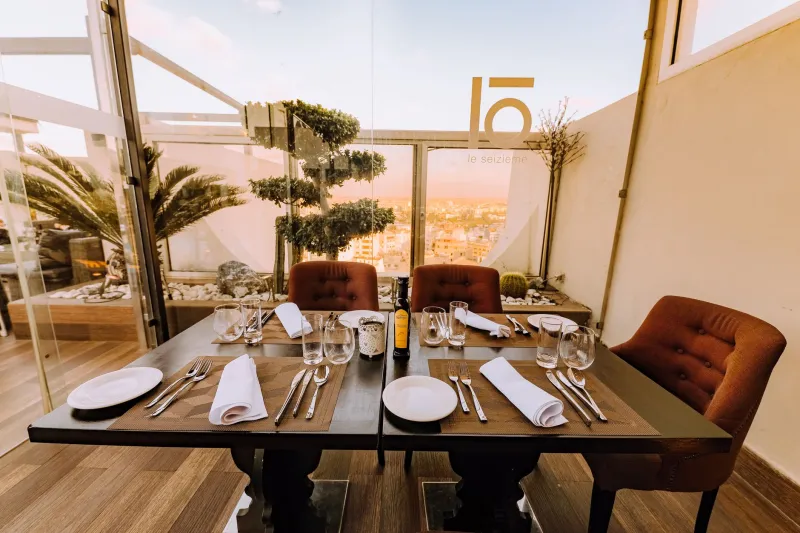
For years, the conventional wisdom about hotel restaurants was pretty simple: they were fine. Reliable, maybe. Occasionally even good. But exciting? Destination-worthy? That was a stretch. You went to a hotel restaurant when you were too tired to figure out something better, not because it was the best option on the table.
Downtown LA has spent the last several years quietly dismantling that assumption—and at this point, the dismantling is complete.
The hotel dining scene in DTLA has evolved into something genuinely surprising. We're talking chef-driven concepts with real culinary vision, sourcing programs that would make any farm-to-table zealot nod approvingly, and dining rooms that hold their own against the city's most celebrated standalone spots. If you're staying downtown and sleeping on these restaurants, you're missing out on some of the best meals Los Angeles has to offer.
Why Hotel Restaurants Hit Different in Downtown LA
The shift didn't happen by accident. When developers and hospitality groups started pouring serious investment into DTLA's hotel landscape, they brought in serious culinary talent to match. The neighborhood's transformation into a genuine urban hub—with a thriving arts district, a booming food market culture, and an increasingly sophisticated local dining audience—created the conditions for hotel kitchens to actually compete.
Hotel restaurants here aren't playing it safe anymore. They're hiring executive chefs with James Beard recognition on their resumes, building cocktail programs that rival the city's best craft bars, and designing menus that reflect the cultural diversity that makes LA's food scene so singular. And because these restaurants live inside your hotel, staying downtown means you have built-in access that most diners have to plan around.
Standout Spots Worth Booking in Advance
Otium at The Broad Neighborhood
Technically adjacent to The Broad contemporary art museum, Otium has become one of those restaurants that makes people plan their entire downtown itinerary around a reservation. Chef Timothy Hollingsworth brings a California-meets-global sensibility to an open-kitchen format that feels theatrical without being showy. The wood-fired dishes are the headline act, but the vegetables—sourced locally and treated with genuine respect—are what keeps regulars coming back. If you're staying nearby, you can stroll over post-gallery visit and feel like you've got the whole cultural afternoon dialed in perfectly.
Broken Spanish at AC Hotel
Ray Garcia's interpretation of Mexican-American cuisine at Broken Spanish is the kind of restaurant that makes food writers reach for their notebooks. The menu draws on traditional Mexican culinary traditions while incorporating California ingredients and techniques in ways that feel organic rather than gimmicky. The pozole, the masa dishes, the mezcal-forward cocktail list—everything here has a point of view. Hotel guests who wander in without a reservation might get lucky on weeknights, but weekends are a different story. Book ahead.
Perch
Situated atop a historic building near Pershing Square, Perch earns its reputation through a combination of French-inspired cuisine and one of the most dramatic views in the entire city. The rooftop setting alone would be enough to pack the place, but the kitchen doesn't coast on the scenery. The brunch program in particular has developed a serious following, and the cocktail hour—when the downtown skyline starts catching the golden hour light—is a genuinely memorable urban experience. Staying downtown puts this kind of spontaneous evening within easy walking distance.
Metropolis at InterContinental Los Angeles Downtown
On the 70th floor of the Wilshire Grand Center—the tallest building west of the Mississippi—Metropolis isn't just a restaurant, it's a perspective shift. The menu leans into California cuisine with global influences, and the breakfast service offers what might be the most cinematic morning meal in LA. But it's the dinner service that really commands attention, with a thoughtfully edited menu that pairs well with the kind of wine list you'd expect from a hotel that takes hospitality seriously. For guests staying in the tower, this is the rare hotel restaurant where eating in actually feels like a special occasion.
Cara Cara at Freehand Los Angeles
Freehand's Cara Cara has carved out a loyal following in the DTLA dining community that extends well beyond the hotel's guest list. The restaurant draws on Mediterranean and Middle Eastern influences, with a menu built for sharing and a vibe that splits the difference between relaxed and intentional. The weekend brunch crowd skews local—always a good sign—and the rooftop bar attached to the property has become a neighborhood gathering spot in its own right. If you want to feel like a local while technically being a tourist, this is a good place to start.
The Practical Upside of Staying Where You Eat
Beyond the quality of the food itself, there's a logistical argument for hotel dining in DTLA that's easy to overlook. Los Angeles is a city where transportation is always a factor. Rideshare costs add up, parking is a genuine pain, and the distances between neighborhoods can eat into your evening before you've even ordered a drink.
When your dinner reservation is one elevator ride away, that calculus changes entirely. You can linger over dessert without watching the clock. You can order a second glass of wine without calculating the cost of a late-night Uber. You can walk back to your room when the meal is done and actually feel like the night went exactly as planned.
For travelers who want to eat well without the logistical overhead that LA dining often demands, a downtown hotel with a serious restaurant is a genuinely smart play.
The Bigger Picture
DTLA's hotel restaurant renaissance is part of a broader story about what downtown Los Angeles has become—a neighborhood that rewards curiosity and punishes assumptions. The idea that you have to venture out to find great food is increasingly outdated. Some of the most interesting kitchens in the city are operating inside hotel lobbies, on rooftop terraces, and in dining rooms that open directly onto the sidewalks of a neighborhood that's still figuring out how good it can get.
Book a table. Order the thing you can't pronounce. Stay for dessert. You're already home.


