Lobby Deals and Rooftop Handshakes: How DTLA Hotels Became the City's Hottest Networking Venues
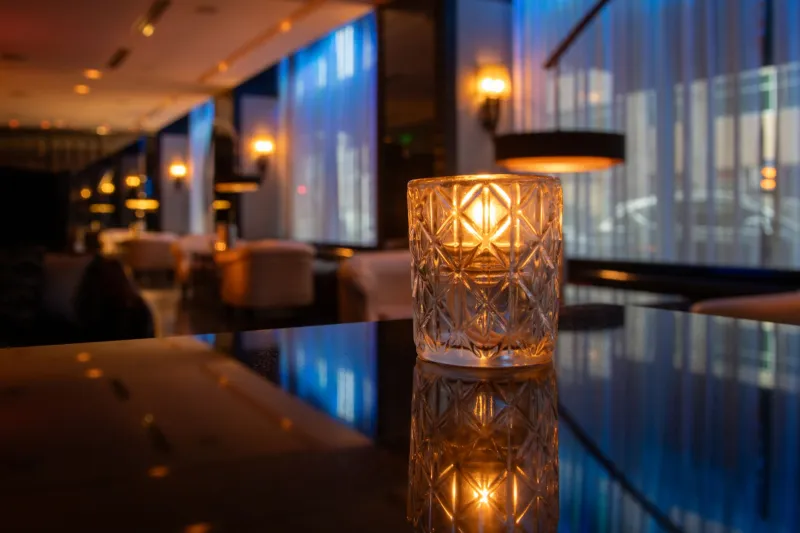
There's a moment that happens in downtown LA hotels with surprising regularity. Someone grabs a drink at the lobby bar after a long afternoon of meetings. They end up next to a stranger doing the same thing. Forty-five minutes later, they've exchanged cards, shared a mutual contact, and maybe even sketched out the early shape of a collaboration on a cocktail napkin. Nobody planned it. Nobody paid a registration fee. It just happened.
That's not a coincidence. Increasingly, it's a design strategy.
DTLA hotels have spent the last several years quietly reinventing themselves as something more than places to sleep between obligations. The best ones have become genuine social ecosystems — environments where the line between hospitality and professional opportunity blurs in ways that feel organic but are, in fact, very intentional.
The Architecture of Accidental Connection
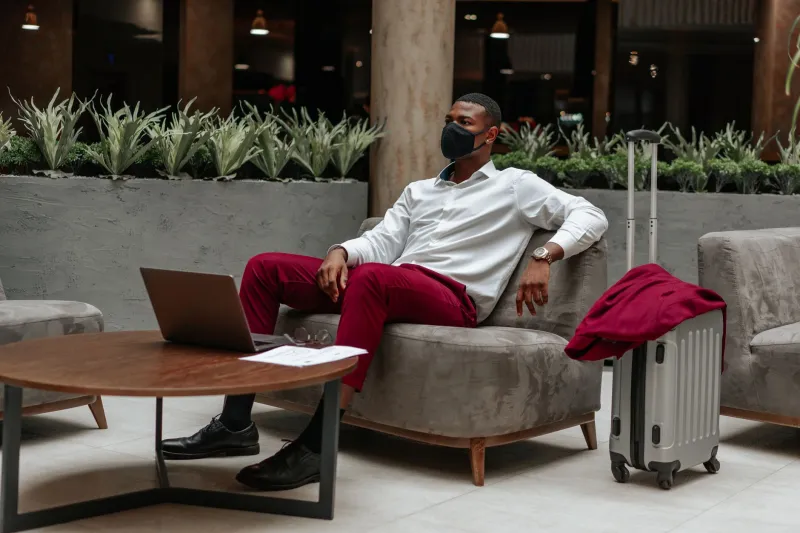
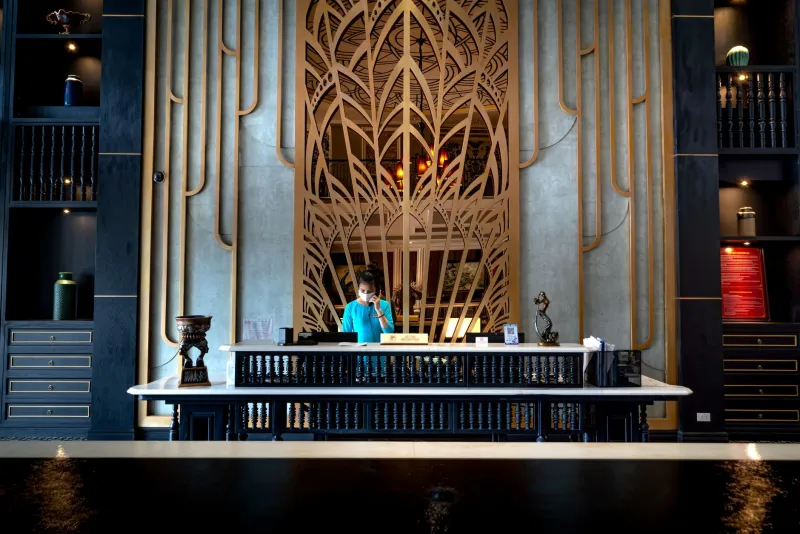
Walk into almost any of downtown LA's major hotel lobbies today and you'll notice they don't look like hotel lobbies used to. Gone are the isolated check-in desks and the rows of stiff chairs that discouraged lingering. In their place: open lounge areas with communal tables, flexible seating clusters, charging stations tucked into every corner, and bar programs that start serving serious cocktails well before happy hour.
This isn't aesthetic whimsy. Hotel designers and operators have spent considerable energy studying how people actually move through shared spaces — and how to slow them down long enough to bump into each other.
At properties like the InterContinental Los Angeles Downtown and the Proper Hotel on South Broadway, the lobbies function more like sophisticated living rooms than transactional entry points. There's intentional ambiguity about whether you're in a hotel or a members' club, a co-working space or a cocktail bar. That ambiguity is the point. It lowers the social temperature and makes it easier for strangers to fall into conversation.
"The lobby is our most underrated amenity," one hotel operations manager in DTLA put it bluntly. "People think networking happens at the events we host. But honestly, more deals get started at the coffee bar at 8 a.m. than at any structured mixer we've ever thrown."
The Rooftop Factor
If the lobby is where introductions happen, the rooftop is where they turn into something real.
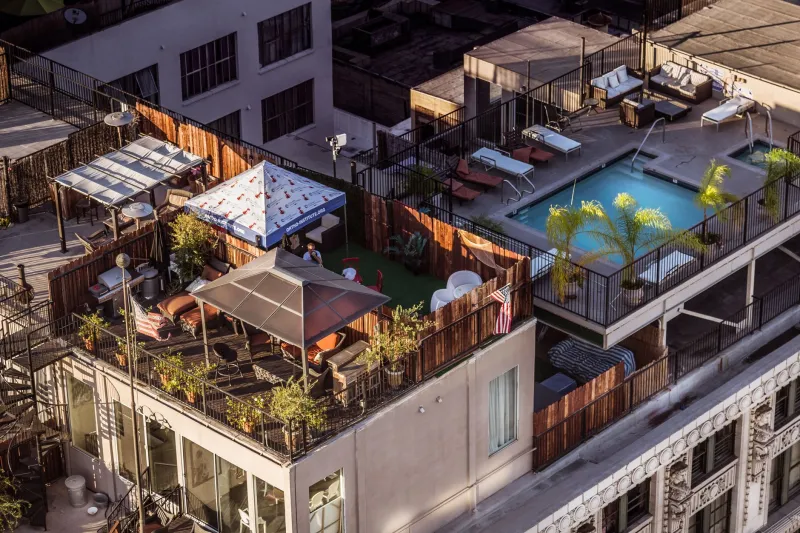
Downtown LA's elevated outdoor spaces — and there are some genuinely spectacular ones — have a particular social alchemy. The combination of altitude, skyline views, and a well-made drink has a way of dissolving professional formality faster than almost any other environment. People who spent all day in back-to-back meetings suddenly become actual humans again.
Hotel rooftop bars in DTLA have become informal industry gathering spots in ways that mirror what certain restaurants or private clubs do in other major cities. On any given Thursday evening, you might find entertainment executives from nearby production offices mixing with tech founders who flew in for a pitch, or architects who worked on a nearby development project sharing a table with hospitality consultants visiting from New York.
The cross-pollination is real — and hotel staff are well aware of it. Some properties have started quietly programming their rooftop spaces with that dynamic in mind, hosting themed evenings or industry-adjacent events that attract a specific professional crowd without making the whole thing feel like a forced networking event. The trick, it turns out, is making it feel like a party first and a professional opportunity second.
When the Conference Room Spills Over
DTLA's hotels have long hosted major conferences, corporate retreats, and industry summits — the Westin Bonaventure alone has seen decades of large-scale business events cycle through its distinctive cylindrical towers. But what's changed is what happens around those events, not just during them.
Savvy hotel operators have started thinking carefully about the "shoulder time" — the hours before a conference kicks off, the lunch break, the post-session wind-down. These transitional moments used to be logistical dead zones. Now they're being treated as programming opportunities.
Some DTLA properties have introduced facilitated social hours specifically timed to coincide with major events happening in their ballrooms or meeting spaces. Others have created dedicated areas where conference attendees can decompress between sessions — comfortable, semi-private spaces that invite conversation without demanding it.
"We noticed that the best conversations were happening in the hallway outside our event spaces," noted one hotel events coordinator. "So we started designing the hallway experience more intentionally. Better seating, better lighting, a small bar cart. Suddenly that transitional space became one of the most valuable square footage in the building."
Why Downtown LA Specifically?
It's worth asking why this phenomenon is playing out so visibly in DTLA rather than, say, Century City or the Westside hotel corridor.
Part of it is density. Downtown LA has a critical mass of hotels, corporate offices, creative agencies, and cultural institutions all compressed into a walkable geography. When a film industry event wraps at one hotel and a tech summit is winding down at another two blocks away, the overflow tends to end up at the same bars, the same restaurants, the same lobbies. Industries that rarely interact in LA's sprawling, car-dependent geography find themselves literally in the same room.
Part of it is also the neighborhood's ongoing evolution. DTLA has attracted a genuinely diverse professional community — not just the traditional finance and legal sectors, but entertainment, tech, design, food and beverage, and the arts. That mix creates a more interesting networking environment than you'd find in a more homogenous business district.
And part of it, frankly, is the hotels themselves. DTLA properties have invested heavily in amenities and programming that make guests want to stay on-site rather than immediately dispersing across the city. When you build a hotel that people actually want to hang out in, interesting things start to happen.
The Unplanned Meeting Is the Best Meeting
There's something almost countercultural about the way connection is happening in DTLA hotel spaces right now. In an era of hyper-scheduled calendars, curated LinkedIn feeds, and paid access to professional networks, the spontaneous lobby encounter feels almost radical.
Visiting professionals who stay downtown regularly talk about it with a kind of surprised enthusiasm — the venture capitalist who ended up co-investing with someone she met waiting for a hotel elevator, the documentary filmmaker who found his next subject in a conversation that started over shared outlets at a lobby charging station.
None of it was engineered in the traditional sense. But it also wasn't entirely accidental. The hotels that are making this happen understand something important: the best amenity they can offer a business traveler isn't a faster Wi-Fi connection or a better gym. It's the possibility of a conversation they didn't know they needed to have.
In downtown LA, that possibility is built right into the building.