Home Is Where the Hotel Is: How DTLA's Extended-Stay Scene Is Winning Over Remote Workers and Relocators

There's a moment that a lot of extended-stay hotel guests describe in almost identical terms. It usually happens around day ten or eleven. The front desk staff starts greeting you by name. You've figured out the coffee situation in the lobby. You have a preferred elevator. And somewhere between unpacking your second suitcase and ordering from your third different room service menu, it hits you: this actually works.
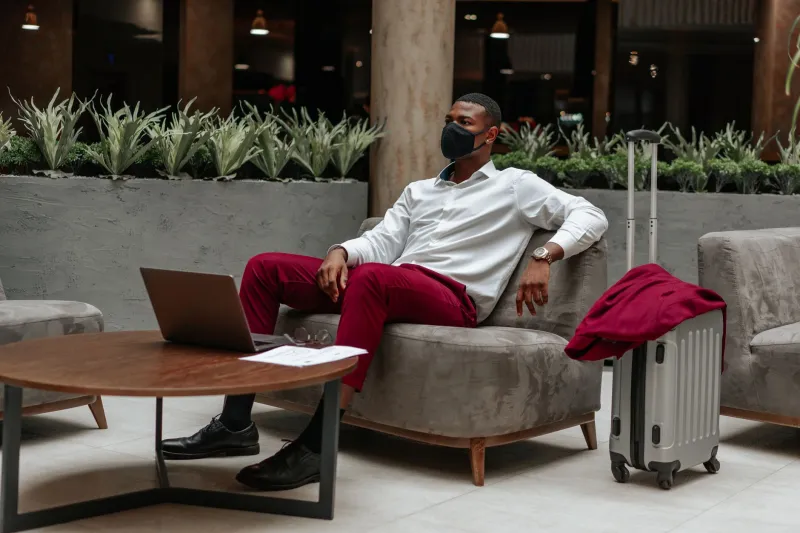
Downtown LA hotels have been quietly building toward this moment for a while now. What started as a pandemic-era pivot—hotels desperate to fill rooms offering weekly and monthly rates to anyone who'd take them—has evolved into something far more intentional. DTLA properties are actively courting long-term guests, and the people showing up aren't just travelers stuck in a layover situation. They're remote workers on cross-country assignments, newly relocated professionals waiting for their lease to start, freelancers who decided that a Zoom background with an actual view beats their spare bedroom, and people navigating major life transitions who need flexibility more than permanence.
The Math Actually Checks Out
Let's talk numbers, because this is where the extended-stay pitch gets genuinely interesting. Monthly rates at downtown LA hotels can look alarming on first glance—until you start stacking them up against the real cost of renting in DTLA.
A furnished one-bedroom apartment in downtown Los Angeles runs anywhere from $2,800 to $4,500 a month, and that's before you factor in first month, last month, security deposit, renter's insurance, utility setup, and the inevitable trip to IKEA. Many hotels offering extended-stay packages in the $3,500 to $5,500 monthly range are bundling in daily housekeeping (or at minimum weekly), Wi-Fi, gym access, and sometimes even breakfast credits or food-and-beverage allowances. When you break it down line by line, the gap narrows considerably—and in some cases, the hotel actually wins.
For people who are only in LA for a defined stretch—say, a three-month consulting contract or a two-month relocation window while they apartment hunt—the flexibility alone is worth paying a small premium. No lease to break. No broker's fee. No argument about who gets the security deposit back.
Workspace That Actually Works
One of the biggest complaints remote workers had about hotels, historically, was that the workspace situation was an afterthought. A wobbly desk jammed into a corner, a chair clearly designed for someone checking their email for five minutes before heading to a dinner reservation, and Wi-Fi that started buffering the moment you tried to join a video call.
DTLA hotels targeting extended-stay guests have gotten serious about fixing this. We're talking ergonomic chairs, monitor hookups, proper desk lighting, and in some properties, dedicated co-working lounges that guests can book for focused work sessions or small team meetings. The Wi-Fi infrastructure has also leveled up significantly—business-grade connectivity is increasingly standard rather than a premium add-on.
For remote workers whose entire professional lives run through a laptop, these upgrades aren't perks. They're prerequisites. And DTLA's hotel scene has largely figured that out.
The Surprisingly Social Side of Long-Term Hotel Life
Here's something that doesn't show up in the rate sheets but comes up constantly when you talk to people who've done extended hotel stays: the community factor.
When you're in a hotel for a week, you're a tourist. When you're there for six weeks, you start to notice the other regulars. There's usually a loose, informal network of extended-stay guests who've figured each other out—the consultant on the same floor who's also doing a long stint, the couple from New York waiting for their condo renovation to finish, the writer who's been camped in the corner of the lobby bar every afternoon for a month.
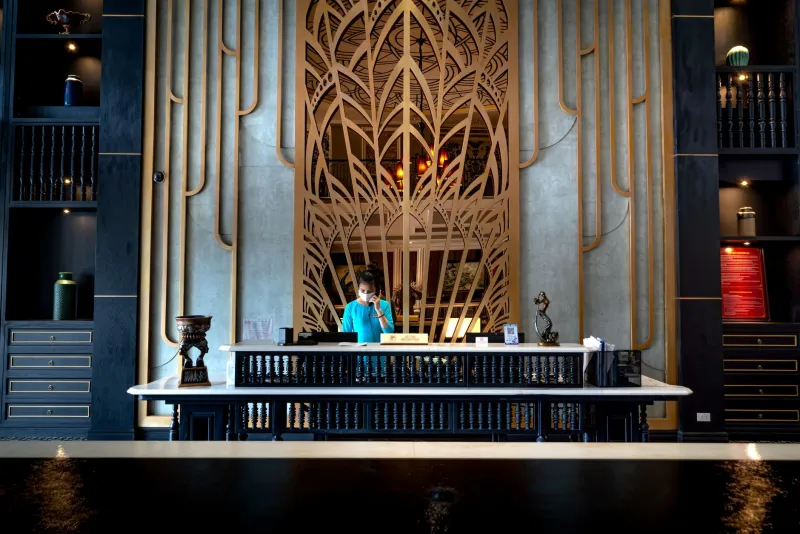
Hotel staff, for their part, tend to develop a different relationship with long-term guests. Concierge recommendations get more specific. Front desk interactions get more human. Some properties have started facilitating this dynamic intentionally, hosting informal happy hours or communal dinners specifically for extended-stay guests. It's a small thing, but for someone who's new to LA and doesn't have an existing social network here yet, it can make a meaningful difference.
DTLA as a Base: Location Still Wins
None of this would matter if the location didn't deliver, but downtown Los Angeles is genuinely one of the most practical bases in the city for someone trying to get oriented fast.
The Metro rail network connects DTLA to Hollywood, Koreatown, Culver City, Santa Monica, and Long Beach—which matters enormously when you're trying to explore neighborhoods without fighting for parking everywhere you go. Grand Central Market, the Broad, the Arts District, Little Tokyo, and the Fashion District are all walkable. LAX is a manageable ride away. And for professionals whose work takes them across the city, sitting in the middle of the grid beats sitting on one end of it.
For relocators specifically, using a DTLA hotel as a landing pad while apartment hunting is a legitimate strategy. You get to experience different neighborhoods on day trips rather than making a blind commitment, and you're not locked into a lease in a part of the city you might decide you don't actually want to live in.
What to Look for When Booking an Extended Stay
Not every hotel in DTLA is set up equally for long-term guests, and it's worth doing a little homework before committing to a month-long stay. A few things worth investigating:
In-room kitchen setup. Even a microwave and a mini-fridge change the daily economics significantly. A kitchenette with a two-burner cooktop is a genuine game-changer for anyone trying to eat well without spending $40 a day on delivery.
Laundry access. On-site laundry or in-room washer/dryer connections are the difference between a comfortable long stay and a logistical headache.
Negotiable rates. Extended-stay pricing is often more flexible than it looks online. Calling the hotel directly and asking about monthly rates, especially for stays of 30 days or more, frequently surfaces deals that don't appear on booking platforms.
Storage. If you're arriving with more than a carry-on, ask about luggage storage options or whether the room configuration supports living out of multiple bags without the space collapsing into chaos.
Guest services responsiveness. For a short stay, a slow maintenance response is annoying. For a month-long stay, it's a real quality-of-life issue. Reading recent reviews specifically from extended-stay guests is worth the extra research time.
The New Definition of a Downtown Address
There's a version of this story that's purely practical—the one about rates and workspace and laundry. But there's a bigger shift underneath it. The idea that a hotel is a place you pass through is giving way to something different. For a growing slice of DTLA's population on any given month, the hotel is the home base. It's where the morning coffee happens, where the work gets done, where the city gets figured out.
Downtown LA has always been a place people underestimated. The extended-stay trend is just the latest proof that when you actually spend real time here—not a weekend, not a quick visit, but genuine weeks—the city starts to reveal itself in ways that a shorter trip never could. The hotel is just the door you walk back through at the end of the day.
And honestly? That's not a bad door to have.