Turn Your DTLA Hotel Room Into a Personal Sanctuary (Yes, Really)
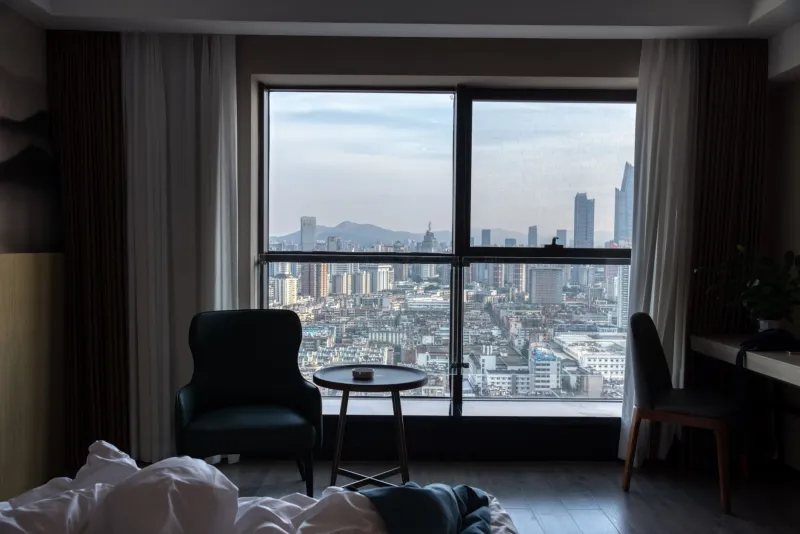
Most people treat a hotel room like a pit stop. Drop the bags, charge the phone, sleep, repeat. But if you're staying in downtown Los Angeles — a city that runs fast and loud and never really powers down — you might want to rethink that approach. Because the hotel room, done right, isn't just a place to sleep. It's the one space in the city that's entirely yours.
DTLA's hotel scene has quietly evolved into something worth paying attention to. Properties across the neighborhood are investing heavily in room design, in-room technology, and amenity packages that go well beyond the standard pillow menu. And guests who know how to work with what's already there — or how to ask for more — are walking out of their stays feeling genuinely restored.
Here's how to get there.
Start With the Light
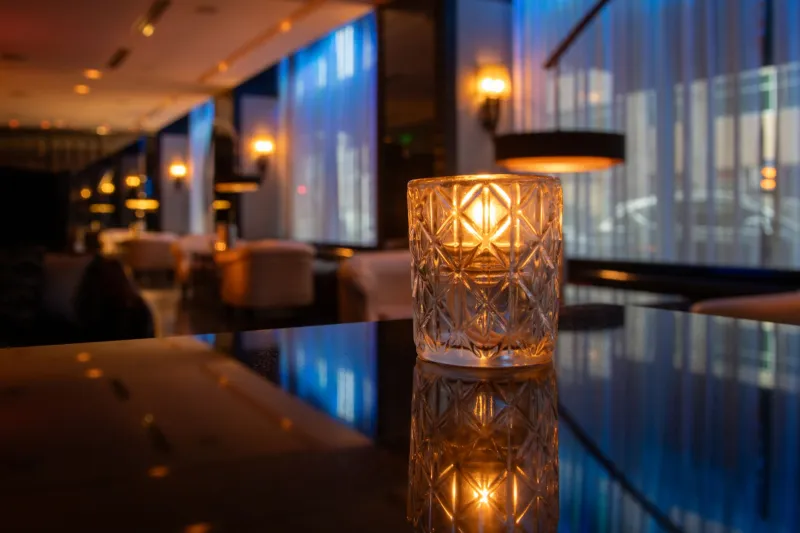
Lighting is one of the most underrated tools in a hotel room, and most guests never touch it beyond flipping the main switch. But the difference between harsh overhead fluorescents and a warm, layered combination of bedside lamps and dimmers is significant — especially if you're winding down after a long day of meetings or sightseeing.
Many of DTLA's newer and recently renovated properties have moved toward smart lighting systems. That means you can often dial down the temperature of the light itself, not just the brightness. Warmer tones in the evening signal your brain that it's time to slow down. Cooler tones in the morning can help you wake up more naturally. If your room has a smart panel or a tablet-based control system, spend five minutes exploring it when you first check in. You might be surprised what's available.
If your room doesn't have those options, the fix is low-tech: turn off the overhead lights entirely and rely on lamps. It changes the whole feel of the space.
Temperature Is a Bigger Deal Than You Think
Hotel thermostats have a reputation for being finicky, and that reputation isn't entirely undeserved. But getting the temperature right in your room is genuinely worth the effort. Sleep researchers consistently point to a cooler sleeping environment — somewhere in the 65–68°F range — as optimal for deep, restorative rest.
When you arrive, set the thermostat immediately rather than waiting until you're already tired. Give the room time to reach the right temperature before you're ready to sleep. If the HVAC system is noisy, that's actually useful information: some guests find that kind of white noise helpful. Others bring a small sound machine or use a sleep app. Either works.
One tip that hotel veterans swear by: call the front desk and ask for an extra blanket when you check in, not at midnight when you realize you're cold. Front desk teams are almost always happy to help, and having that option ready means you're not scrambling later.
Lean Into the Tech (But Know When to Shut It Off)
DTLA hotels have been on a technology upgrade cycle for the past several years. In-room tablets that control everything from the TV to the blinds to room service orders are increasingly common. Streaming integration — where you can log into your own Netflix or Spotify account directly on the room TV — has become close to standard at mid-range and above properties.
Use those features. Queue up a playlist you actually like. Watch something you've been meaning to get to. The point isn't to replicate your living room exactly, but to make the space feel responsive to your preferences rather than generic.
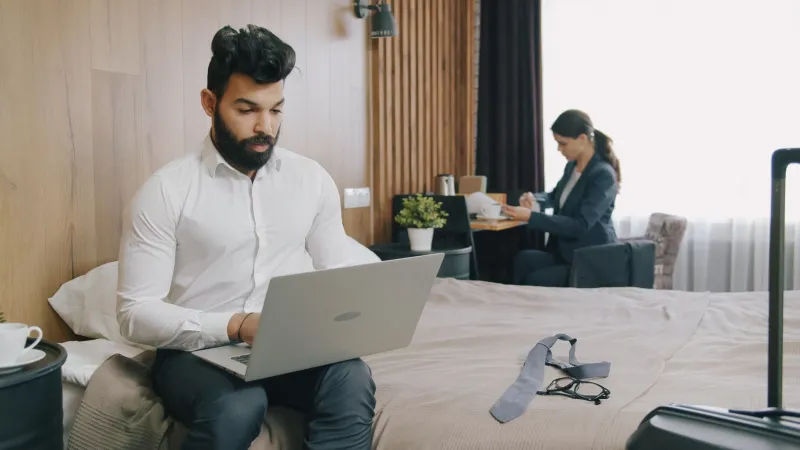
That said, the most restorative hotel stays often involve a deliberate decision to disconnect. If you're traveling for work, consider setting a hard cutoff time — say, 8 p.m. — after which the laptop closes and the phone goes face-down. Hotel rooms are oddly good environments for this kind of boundary-setting because the physical separation from your normal life makes it easier to enforce.
The Bathroom Is Doing More Work Than You Realize
Hotel bathrooms in DTLA have gotten genuinely good. Several properties have invested in deep soaking tubs, rainfall showerheads, and high-end product lines that are worth actually using rather than leaving sealed on the shelf.
If your room has a soaking tub, use it. A 20-minute soak before bed — especially with the overhead lights off and a candle or the bathroom's ambient lighting — is one of the more effective ways to decompress that doesn't require a spa appointment. Many hotels now offer bath salts or aromatherapy add-ons either as part of a welcome amenity or available through the concierge. It's worth asking.
The shower matters too. A long shower at a lower-than-usual temperature can be surprisingly energizing in the morning, and many guests find it's a better wake-up than a second cup of coffee.
Ask for What You Actually Need
This one sounds obvious, but it's the thing most guests don't do. Hotel teams — particularly at DTLA properties that compete hard for repeat business and online reviews — are genuinely motivated to make your stay work for you. That means you can ask for things.
Need a foam pillow instead of down? Ask. Want the minibar emptied so you can use the fridge for your own groceries? Ask. Looking for a yoga mat or resistance bands for an in-room workout? Many hotels have them and will bring them up if you call down. Some properties have added in-room meditation content, sleep kits with eye masks and earplugs, and even aromatherapy diffusers as part of their wellness amenity programs.
The worst answer you'll get is "we don't have that" — and even then, the front desk team will often suggest an alternative.
Make the Space Yours, Even Temporarily
One of the small but meaningful shifts that turns a hotel room from a generic box into an actual retreat is personalization. This doesn't require bringing a lot of stuff. It might just mean unpacking your bag instead of living out of it, putting your toiletries on the bathroom counter rather than leaving them in the bag, and clearing the desk if you're not using it for work.
Some travelers bring a single personal item — a photo, a small candle, a book they're reading — that signals to their brain that this is a space they inhabit rather than just pass through. It sounds minor. The psychological effect is not.
Downtown LA is a lot of things: energetic, dense, culturally rich, occasionally overwhelming. Your hotel room is the counterweight to all of that. It's the place where the city doesn't follow you in unless you let it. Learning to use that space well — to actually rest in it, to actually restore yourself in it — might be the most useful travel skill you pick up this year.