From Curb to Key Card: How DTLA Hotels Are Making the First Five Minutes Count
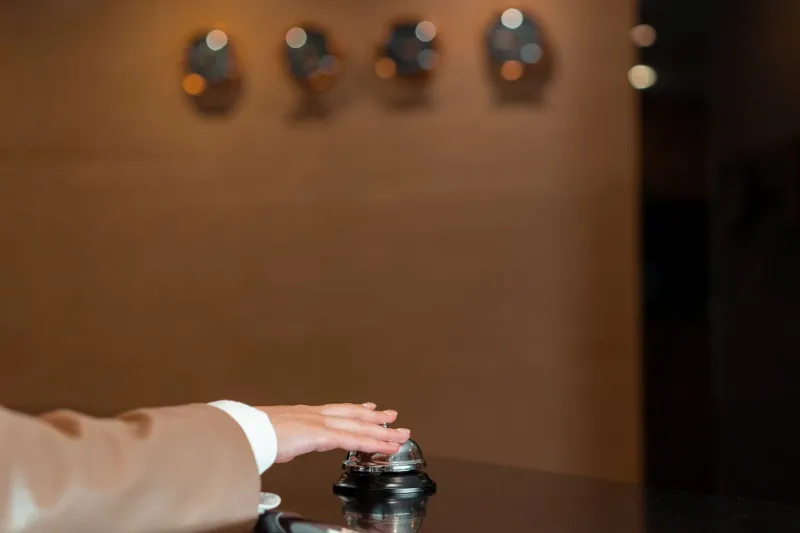
You've been on a plane, or stuck on the 110, or wedged into a packed Metro car. By the time you roll up to your Downtown LA hotel, you're not exactly at your freshest. What happens in the next five minutes — the moment between arriving and actually being there — used to be a pretty forgettable transaction. Hand over your ID, wait for the system to load, grab your key card, find the elevator.
But something has shifted in DTLA's hotel scene. Quietly and deliberately, properties across the neighborhood have started treating arrival not as a logistical checkpoint, but as the first real statement of who they are. And the results are changing how guests feel about their entire stay before they've even seen their room.
Why the Arrival Window Matters More Than You Think
Hospitality researchers have long known that first impressions in hotels carry disproportionate weight. Guests who have a genuinely positive arrival experience tend to rate their overall stay higher — even when other elements of the visit are merely average. It's the anchoring effect in action: that initial emotional hit colors everything that follows.
In a city like Los Angeles, where options are everywhere and loyalty is hard-earned, DTLA hotels have extra incentive to nail this moment. Downtown isn't the default choice for every traveler. Many guests have made a deliberate decision to stay here instead of near the beach or closer to Hollywood. Hotels that acknowledge that decision — that reward it right at the door — immediately validate the choice.
The good news? A growing number of properties in the neighborhood are getting genuinely creative about how they do it.
The Curbside Ritual Is Getting a Serious Upgrade
For a long time, curbside hospitality meant a valet taking your keys and maybe a bellhop offering to grab your bag. Functional, sure. Memorable? Not really.
Some DTLA hotels have started rethinking what that sidewalk moment can actually feel like. Think: a staff member who already knows your name because you checked in digitally on the way over. Or a cold towel and a locally sourced drink pressed into your hand before you've even said hello. Small gestures, but they signal something important — that the hotel has been thinking about you specifically, not just processing the next guest in line.
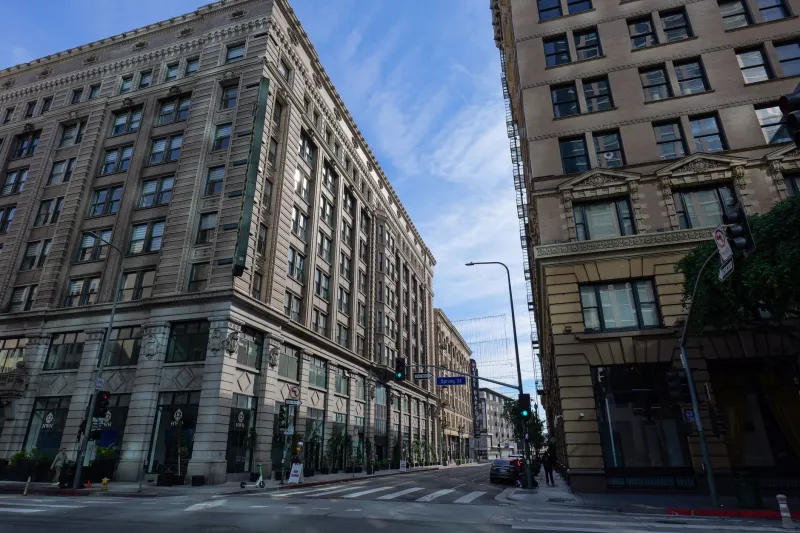
The historic properties along Bunker Hill and the Arts District have leaned into this especially hard. Buildings that were once banks or department stores carry a natural gravitas, and the best ones use arrival as a way to introduce guests to that character. You're not just walking into a hotel — you're walking into a story, and someone is there to tell it to you from the jump.
Tech-Forward Check-In Without Losing the Human Touch
Mobile check-in and digital key technology have been around for a few years now, but DTLA hotels are finding more sophisticated ways to deploy them. The goal isn't to replace human interaction — it's to make human interaction feel more intentional when it happens.
Here's how that plays out in practice: a guest downloads the hotel app, completes check-in during their Uber ride downtown, and receives a digital key straight to their phone. When they walk through the lobby, there's no line, no clipboard, no awkward hovering near the desk. Instead, a staff member intercepts them — not to process paperwork, but simply to welcome them, point out a few things worth knowing, maybe make a dining recommendation for that night.
Suddenly the front desk interaction isn't a bottleneck. It's a conversation. And that shift — from transaction to connection — is exactly what separates a forgettable stay from one guests actually talk about later.
Several newer boutique properties in the South Park and Little Tokyo corridors have built their entire lobby experience around this model. The desk itself has been redesigned or relocated, sometimes replaced entirely with a lounge-style setup where guests sit down with a team member rather than standing across a counter. The power dynamic is subtly different, and guests feel it even if they can't name it.
Sensory Design: The Details You Notice Without Noticing
Beyond technology and staffing, a lot of DTLA's most thoughtful hotels are investing in what you might call ambient arrival design — the sensory layer that greets guests before anyone says a word.
Scent is a big one. Several properties have developed custom fragrance programs, diffusing a signature scent through the lobby that guests will later associate with the memory of their stay. It sounds like a small thing until you catch a whiff of something similar months later and immediately think of a place you loved.
Sound design is another lever. The difference between a lobby that's playing generic background music and one that's curated a playlist reflecting the actual culture of DTLA — local artists, genres tied to the neighborhood's history — is palpable. It tells guests something real about where they are.
Lighting matters too, particularly for evening arrivals. A lobby that transitions its atmosphere as the day shifts from afternoon to night creates a sense of occasion. You're not just checking in — you're stepping into a space that's actively alive.
The Arrival Experience as a Competitive Differentiator
With downtown Los Angeles continuing to add hotel inventory — new builds alongside historic conversions — the market is genuinely crowded. Properties with similar price points and comparable room quality are competing hard for the same travelers. In that environment, the arrival experience has become a real differentiator.
Guests who feel genuinely welcomed from the first moment are more likely to engage with everything else the hotel has to offer — the bar, the restaurant, the spa, the concierge. That initial warmth opens a door. Hotels that skip the effort, that treat arrival as purely administrative, often find that guests treat them the same way: transactionally, without much loyalty or enthusiasm.
For travelers choosing DTLA as their base, the arrival experience is also a kind of orientation. It sets expectations for the neighborhood itself. A hotel that makes you feel like you've landed somewhere worth exploring tends to send guests out the door curious and energized — which is exactly the mindset that makes for a great trip.
What to Look for When You Book
If the arrival experience matters to you — and after reading this, it probably does — there are a few things worth checking before you commit to a property. Look at recent reviews and pay attention to language around check-in and first impressions. Guests who had a great arrival experience almost always mention it specifically.
Also check whether the hotel offers mobile check-in and digital keys. It's not just a tech perk — it's a signal that the property has thought carefully about the guest journey from start to finish.
And when you arrive? Give yourself a few minutes to actually take it in. The best DTLA hotels have put real thought into that first moment. It's worth letting it land.